
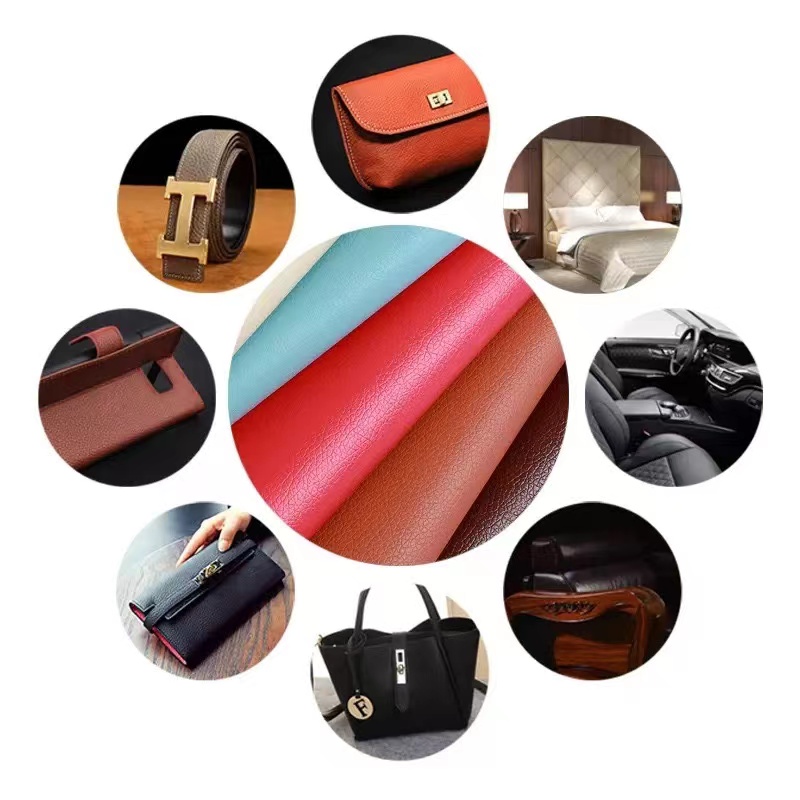
Being a professional handbags manufacturer in China, we specialise in fashion high-end handbags; There are many things that can affects prices, quality and production lead-time. Here are some basic knowledge about handbags.
– General Classification: Style bags, Material bags, Functional bags, and Box-type bags.
1.Style bags: Women’s bags, men’s bags, handbags, travel bags, student bags, hiking bags, etc.
2.Material bags: Fabric bags, leather bags, PVC bags, EVA bags, canvas bags, non-woven fabric bags, PU bags, etc.
3.Functional bags: Laptop bags, document bags, digital bags, camera bags, medical bags, makeup bags, instrument bags, fishing bags, etc.
4.Box-type bags: Trolley cases, toolboxes, suitcases, hand-carry cases, EVA cases, etc.
According to the different styles, bags can be divided into: fashion bags, evening bags, makeup bags, jewellery boxes, document bags, clutches, laptop bags, hiking bags, backpacks, waist bags, trolley cases, travel bags, wallet, etc.
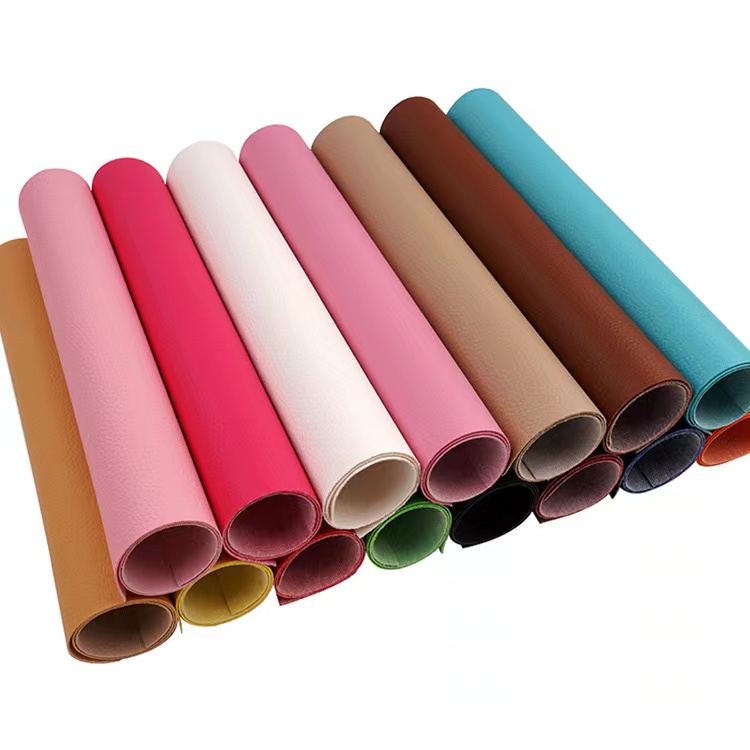
The materials used for bags which are including: leather, PVC/PU, eco-friendly synthetic, microfibre, nylon, polyester, canvas, velvet, twill fabric, paper/straw weaving, etc.
- When buying bags or other leather goods, PU leather is often mentioned in the product details. So what exactly is PU leather?
- PU is the abbreviation of polyurethane in English, and its chemical name is “polyurethane”.
- When polyurethane is combined with a superfine fibre (called PU leather), its toughness, breathability, and wear resistance will be further enhanced. Products made of this PU leather have excellent performance. Worldwide , due to constraints from animal protection associations, we have had to increase research on synthetic leather made of polyurethane, resulting in significant improvements in both technology and performance. Whether in terms of performance or application, polyurethane synthetic leather has surpassed natural leather. With the new technology the pass 10 years, eco-friendly synthetic leather is becoming more and more popular, as it has less harmful to the environment.
- PU synthetic leather: Synthetic leather produced with PU resin as the raw material is called PU synthetic leather, abbreviated as PU leather.
- PU synthetic leather: Synthetic leather produced with PU resin and non-woven fabric as raw materials is called PU synthetic leather, abbreviated as synthetic leather.
- Artificial leather and synthetic leather have a development history of more than 70 years internationally and are widely used in various industries such as the luggage industry, footwear industry, and clothing industry. China began researching and producing artificial leather in 1958, which is an early-developed industry in the Chinese plastic industry and an important part of the plastic industry. Nowadays, the production output of artificial leather and synthetic leather increases every year, and the variety of colours also increases every year, making it a quite powerful industry.
- Previously, the high cost of genuine leather led to the popularity and sales of artificial leather. Now, with the improvement of artificial synthesis technology, the performance and environmental protection of synthetic leather have surpassed natural leather in many aspects. In recent years, more and more domestic and foreign brands of bags require the use of environmentally friendly and recyclable materials to make a contribution to environmental protection.
- Lacquered leather is a technique of applying lacquer to materials such as genuine leather or PU leather. Lacquered leather makes the original surface of genuine leather or PU leather very smooth, with a strong visual impact. Currently, lacquered leather is widely used in bags, clothing, footwear, etc.
- Lacquered leather has a bright colour and also has the characteristics of waterproof, moisture-proof, not easy to deform, and easy to clean, making it popular among consumers. Due to the relatively complex production process of lacquered leather and the high precision requirements, the price of lacquered leather products is slightly higher.
- As mentioned in the section on genuine leather, a piece of genuine leather can be divided into up to eight layers through technical decomposition and dissection, with the most common being two or three layers, thus the distinction between top grain leather and split leather.
- Here, let’s roughly understand what top grain leather is.
- Top grain leather is directly processed from the raw hides of animals such as cattle, sheep, or pigs. After the skin of animals is decomposed, the upper layer with dense fibre structure is top grain leather. Top grain leather has a grain surface with natural scars or other marks.
- Top grain leather is composed of a dense and thin fibre layer and a slightly loose transition layer tightly connected together. It has good flexibility, wear resistance, and artistic craftsmanship. Products made of top grain leather such as bags, shoes, car mats, etc., undoubtedly have excellent quality.
- Because leather goods made of top grain leather are superior to those made of split leather in terms of flexibility and other properties, their production prices are higher than those made of split leather. Some unscrupulous merchants take advantage of consumers’ ignorance of the difference between top grain leather and split leather and often use split leather as top grain leather to induce consumers to purchase. The mall reminds you: when buying bags or other leather goods, please distinguish the materials to avoid being deceived.
- After removing the upper layer of dense fibre structure (top grain leather) from the raw hides of genuine leather, the next layer is split leather. Split leather only has a loose fibre structure layer. Split leather can only be used to make leather products after spraying chemical raw materials or polishing processing. The thickness requirement of split leather is the same as that of top grain leather, but its strength is inferior. Split leather also has a certain natural elasticity and processability, but its wear resistance and flexibility are significantly inferior to top grain leather, making it a relatively cheap type of leather.
Because of the differences in style and materials, the factories producing these bags are also different. In general: the same factory can produce fashion bags, evening bags, and makeup bags made of leather/PVC/PU materials. If it is a high-end product, the people making these bags are different, they need to be produced in different workshops, and some factories can only produce one or two types; there are specialised factories for making jewellery boxes, lipstick boxes, which generally only produce this type of product; document bags, clutches, laptop bags, these styles are one type of product but need to be made by two types of factories, one is specialised in nylon, polyester materials, canvas materials, and the other is specialised in leather, PVC materials, microfibre materials; hiking bags, backpacks, waist bags, trolley cases are also one type of product, and are produced according to the type of materials used; generally, the people who make silver bags are different from those who make handbags, so the factories producing silver bags are specialised in producing wallets/purses, or they are a department of handbag factories, and the personnel producing them are also different depending on the materials used.
In our factory, as we have many customer requested different type of bags, with the increase of bulk production quantities every year, we have imported different machines to our factory; As we need to keep the quality stable and on-time delivery, we need different facilities to support our works.
You are more than welcome to share your knowledge of handbags.